Drone as First Responder (DFR) only works if the drone can fly to an incident without a pilot standing within sight of it. In UK regulatory terms, that is Beyond Visual Line of Sight (BVLOS) flight, and it is the single biggest approval hurdle most forces face when they plan a programme. This guide explains what BVLOS means, why DFR needs it, where it sits in the Civil Aviation Authority (CAA) rules, and the practical steps to getting authorised.
One note before we start. UK drone regulation changes often, and the detail below is general guidance rather than legal advice. Always confirm the current position with the CAA and the relevant CAP publications before you build a case.
What BVLOS actually means
Visual Line of Sight (VLOS) flight means the remote pilot, or a competent observer beside them, can see the aircraft with their own eyes and keep it clear of other aircraft and people. BVLOS is any flight where that is no longer true. The pilot is relying on cameras, telemetry and procedures instead of direct sight of the drone.
The distinction matters because the CAA treats loss of direct sight as a higher risk. You take on the job of proving that you can still see and avoid other airspace users, stay inside a defined area, and bring the aircraft down safely if something goes wrong.
Why DFR depends on it
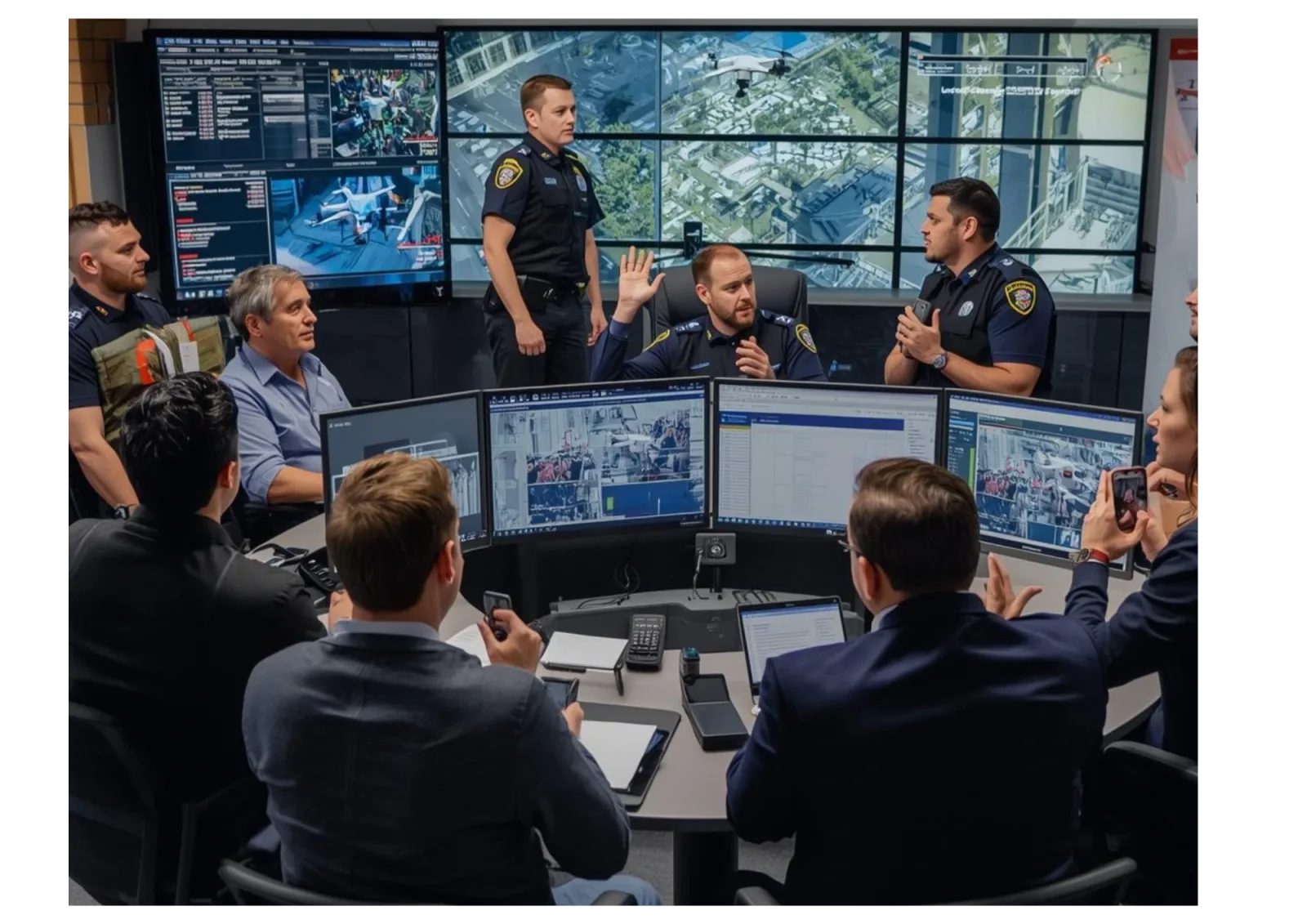
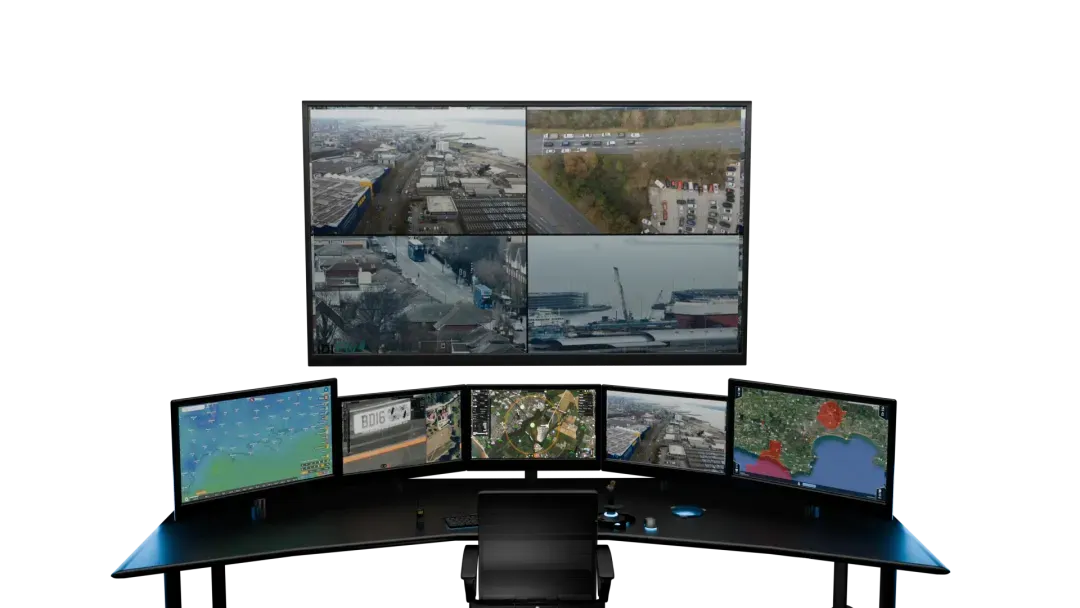
A DFR drone launches from a fixed docking station and flies to a live incident, often a few kilometres away, controlled by an operator in a control room. By design, nobody is standing under the flight path watching the aircraft. That is BVLOS from the moment it leaves the dock.
This is what makes DFR valuable, and also what makes it hard to approve. The same capability that puts eyes over a scene in ninety seconds is the capability the regulator scrutinises most. Getting the BVLOS case right is the difference between a programme that scales and a trial that never leaves the car park.
The three CAA categories
UK drone operations fall into one of three categories. Knowing which one applies tells you how much work is ahead.
- Open category. Low risk, no prior authorisation needed. It is VLOS only, generally below 120 metres, and away from uninvolved people. DFR does not fit here.
- Specific category. Higher risk operations that need an Operational Authorisation from the CAA, backed by a risk assessment. This is where almost all DFR programmes sit.
- Certified category. The highest risk tier, closer to how crewed aviation is regulated. It is aimed at large aircraft and operations such as carrying people. Most DFR work does not need it.
So the practical answer for a force planning DFR is the Specific category, with an Operational Authorisation that explicitly permits BVLOS.
How you get authorised
There is a recognised path through the Specific category. The steps below are the usual order of work.
1. Register as an operator and qualify your pilots
You need an Operator ID for the organisation and the right pilot competency. For Specific category work that usually means the General VLOS Certificate (GVC) as a baseline, with additional BVLOS training and assessment layered on top. Document who is qualified to do what.
2. Build the risk assessment
The Specific category runs on a structured risk assessment. The CAA uses the Specific Operations Risk Assessment (SORA) methodology, which asks you to evaluate ground risk (what is underneath the drone) and air risk (what else is in the airspace), then show how you reduce both to an acceptable level.
In some cases a Pre-Defined Risk Assessment (PDRA) covers your operation, which is faster because the CAA has already agreed the template. Where your operation does not match a PDRA, you write a full Operational Safety Case (OSC) instead. DFR usually needs the OSC route because flying over towns and cities to reach incidents is not a standard template.
3. Submit and earn the Operational Authorisation
You submit the safety case to the CAA. If they accept it, the Operational Authorisation sets out exactly what you can do: the area, the height, the conditions, and the mitigations you must keep in place. Treat it as a living document. As you expand the programme, you revise the case and reapply.
The safety mitigations that carry a BVLOS case
The regulator is not looking for perfection. It is looking for evidence that you have thought through the failure modes and have credible ways to manage them. These are the mitigations that come up most often in DFR cases.
- Detect and avoid. Some way of knowing about other aircraft and staying clear of them. That can be ground-based observers, electronic conspicuity, radar, or an agreed atypical air environment close to the ground where the chance of meeting crewed aircraft is very low.
- Containment. Geofencing and flight termination so the aircraft physically cannot leave the volume you are authorised to fly in.
- Ground risk reduction. Planned routes, controlled launch and landing from a fixed dock, and parachute or controlled descent options where needed.
- Robust command and control. A reliable link between the control room and the aircraft, with defined behaviour if that link drops.
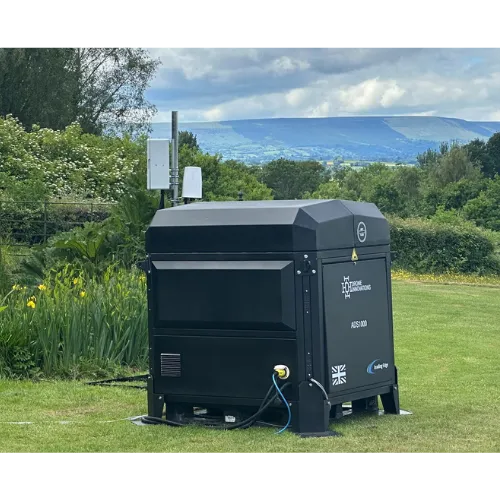
The docking station matters here. A fixed, known launch and recovery point with a controlled site removes a whole class of risk compared with launching by hand from wherever a pilot happens to be standing.
Where programmes get stuck
Most delays are not technical. They come from underestimating the regulatory work, or from writing a safety case that claims more than the evidence supports. A few patterns to avoid:
- Treating BVLOS as a single switch rather than a staged expansion. Start with a tightly bounded area and grow it.
- Leaving the airspace conversation late. Talk to the CAA and local airspace stakeholders early.
- Buying hardware before the operating concept is clear. The concept drives the safety case, not the other way round.
How IDI fits in
We build the docking stations and the IDI Fly software that DFR programmes run on, and we have supported forces through the move from line of sight trials to routine remote operations. The point of mentioning it here is narrow: the equipment you choose shapes the safety case you can defend. Controlled launch and recovery, reliable command and control, and clear flight containment are easier to evidence when they are built into the system rather than bolted on.
If you are scoping a programme and want to pressure test your BVLOS approach, that is a conversation we have often.
FAQs
Do you always need BVLOS for DFR?
In practice, yes. DFR means flying to incidents the pilot cannot see, which is BVLOS by definition. A VLOS only trial can prove parts of the workflow, but it is not a full DFR capability.
Which CAA category does DFR sit in?
Almost always the Specific category, with an Operational Authorisation that permits BVLOS. Open category does not allow it, and Certified category is generally more than DFR requires.
What is the difference between a PDRA and an OSC?
A Pre-Defined Risk Assessment is a CAA template for a recognised operation, which is quicker to use. An Operational Safety Case is a full bespoke submission for operations that do not match a template. DFR over built up areas usually needs the OSC route.
How long does authorisation take?
It varies with the complexity of the operation and the quality of your submission. A well prepared, tightly scoped first case moves faster than an over ambitious one. Plan for months, not weeks, and build in time for revisions.
Can a docking station make approval easier?
It helps. A fixed launch and recovery site with controlled access, reliable command and control, and built in containment gives you cleaner evidence for the safety case than ad hoc launches do.