
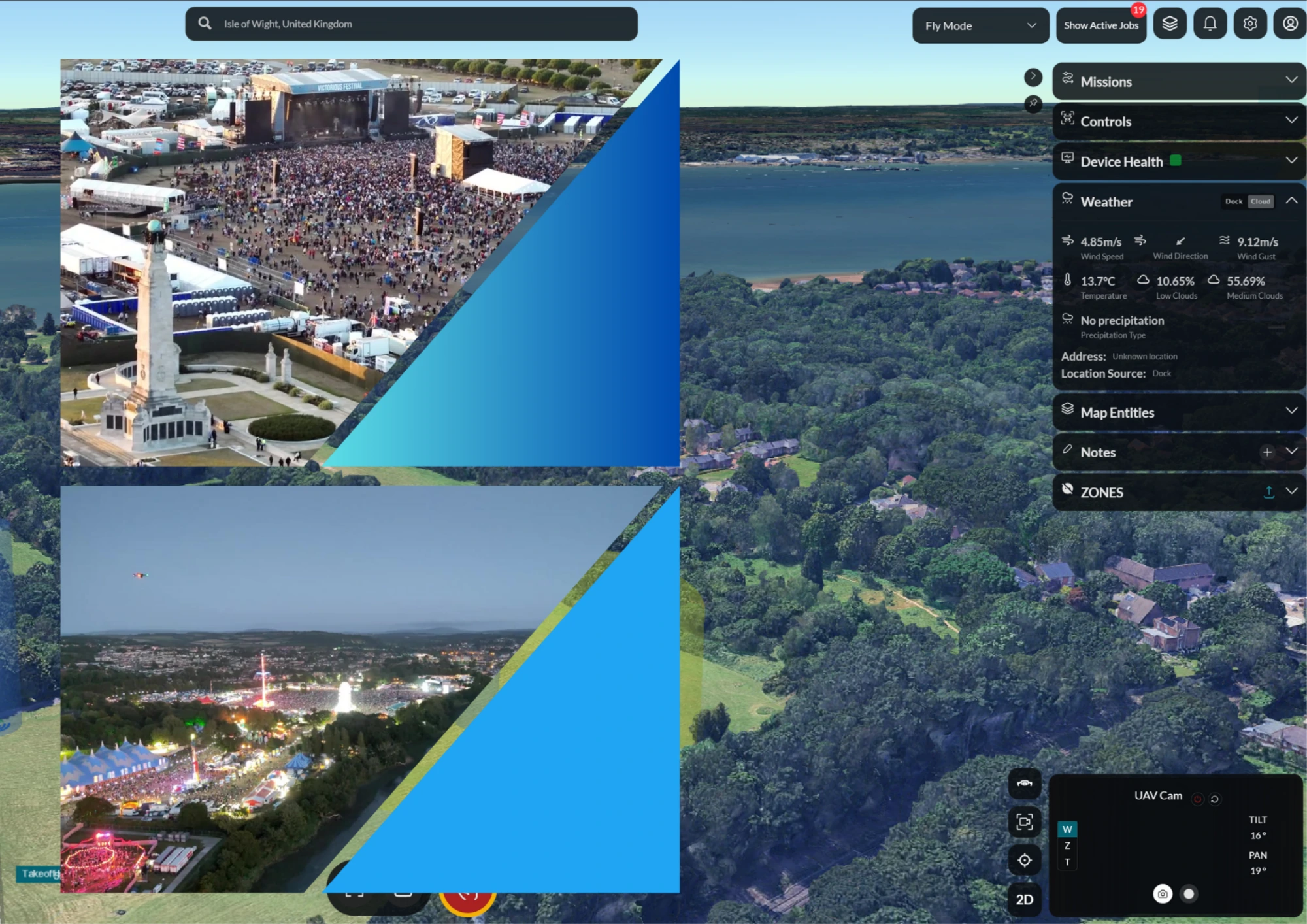
Search & Rescue
Drones for Search and Rescue
In search and rescue, the first minutes decide the outcome. IDI autonomous drone systems put a thermal-capable aircraft over the search area in seconds and stream live intelligence straight to the people coordinating the response.
Search and rescue teams operate against the clock, often across difficult terrain, in poor light, and in weather that grounds crewed aircraft. Every hour a casualty is missing reduces the chance of a good outcome, yet helicopters are expensive, limited in number, and slow to scramble.
IDI builds autonomous drone systems that take the lifting and searching to the air. A thermal-equipped aircraft launches in seconds from a vehicle, a portable case, or a fixed docking station, covers ground far faster than a search line on foot, and streams a live picture to the search manager so resources are committed where they matter.
The search and rescue challenge
Teams need eyes on a large, often hostile area immediately, without putting more people at risk and without waiting for a crewed asset.
- Time critical: survival windows shrink fast, especially in cold, water, or injury cases.
- Difficult terrain: moorland, coastline, woodland, and water are slow and dangerous to search on foot.
- Low light and bad weather: many incidents happen at night or in conditions that ground helicopters.
- Limited crewed assets: police and SAR helicopters are scarce, costly, and shared across large regions.
- Coordination gaps: ground teams and command often lack a shared, live view of the search.
How IDI supports search and rescue
An integrated system of UK-built docks, the IDI Fly platform, and thermal-capable aircraft, ready to launch the moment a call comes in.
Launch in seconds
Aircraft deploy from a response vehicle, a portable case, or a fixed dock and reach the search area in under two minutes, before ground teams are even mobilised.
Thermal search, day or night
Thermal and high-zoom payloads pick out body heat against cold ground, water, and undergrowth when visual search is impossible.
BVLOS over open terrain
Beyond Visual Line of Sight operations cover moorland, coastline, and woodland from a single staging point, with the safety case to match.
Off-grid, remote staging
Off-grid capable docks let you pre-position a ready aircraft at a remote base or an incident with no mains power.
Live picture to command
Every feed streams over 4G, 5G, or LTE into IDI Fly, so the search manager and ground teams share one real-time view.
AI assisted detection
Onboard AI edge processing helps flag people and objects of interest in the feed, reducing the load on operators during long searches.
The system behind it
Built and integrated by IDI to work together out of the box.
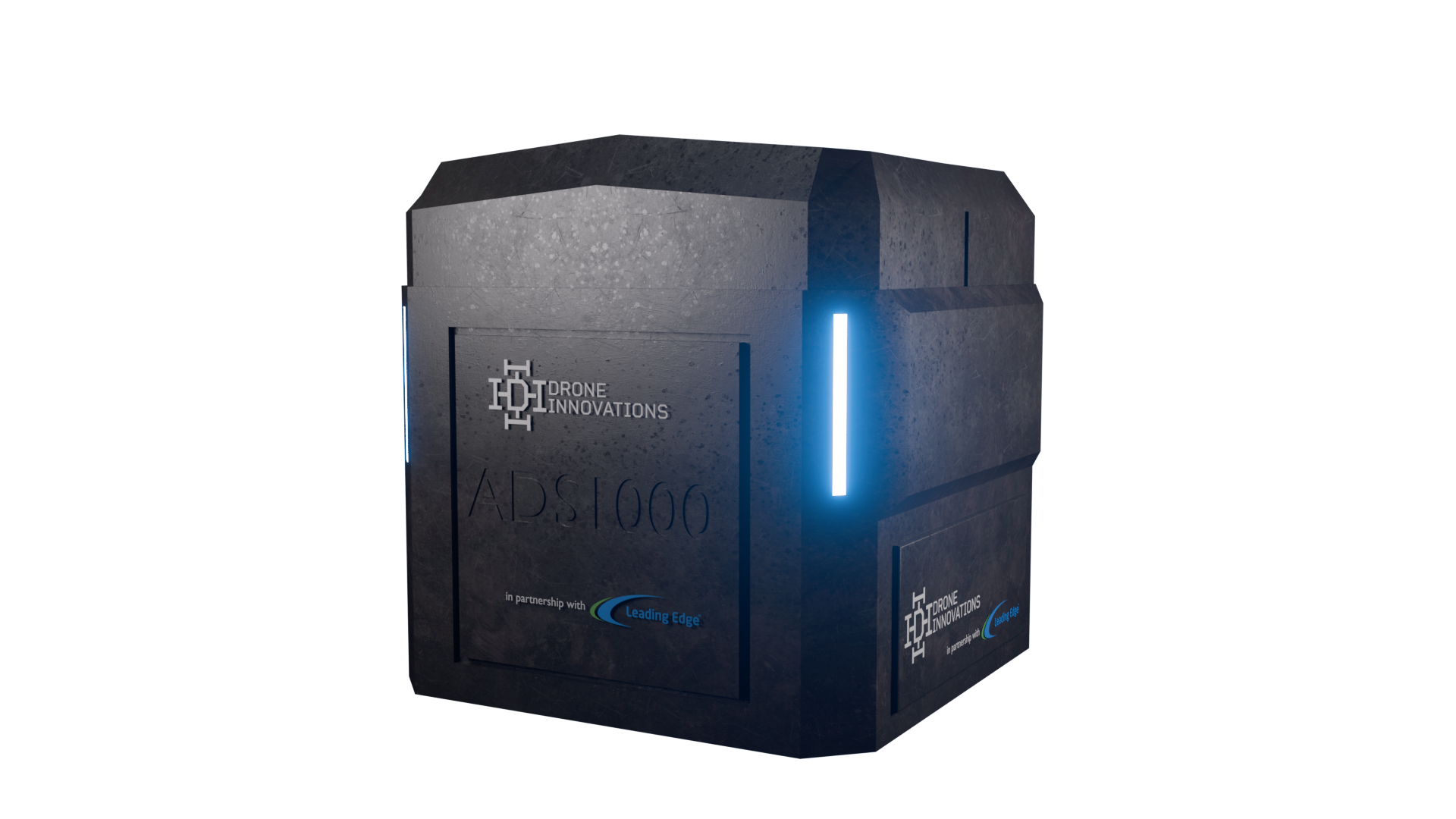
IDI ADS1000
Rugged, off-grid docking for a ready aircraft at a remote SAR base, dual-drone capable for continuous cover.
Learn more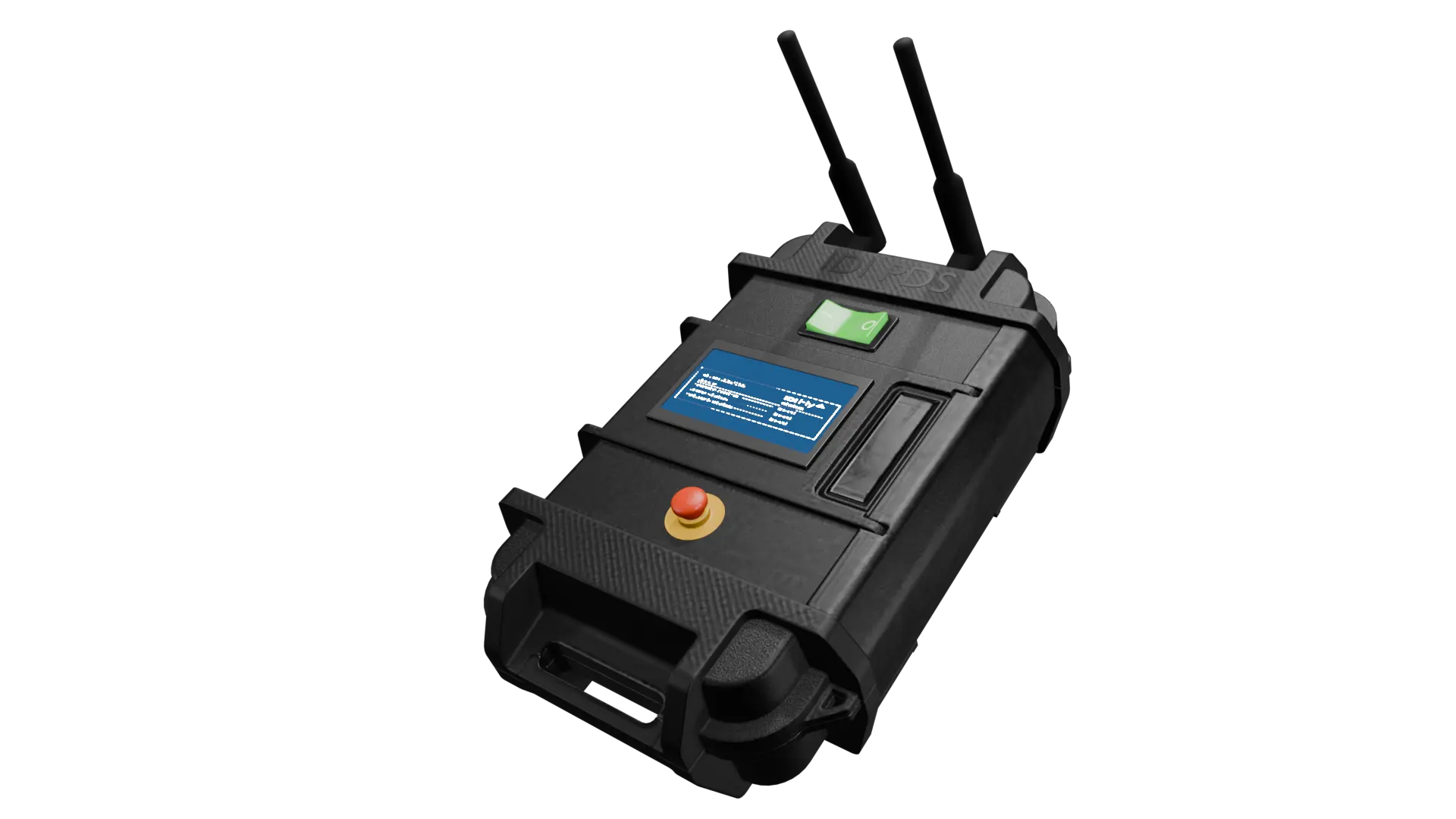
IDI PDS
Portable deployment system you can carry to the incident and launch from anywhere.
Learn more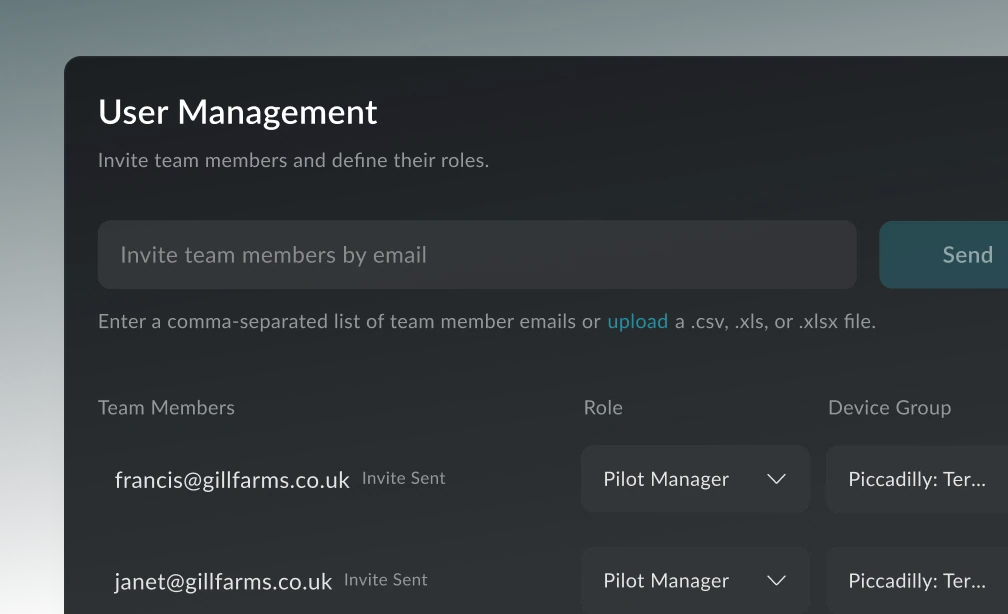
IDI Fly
Plan, fly, and share live SAR feeds from one browser, with the whole team on the same picture.
Learn more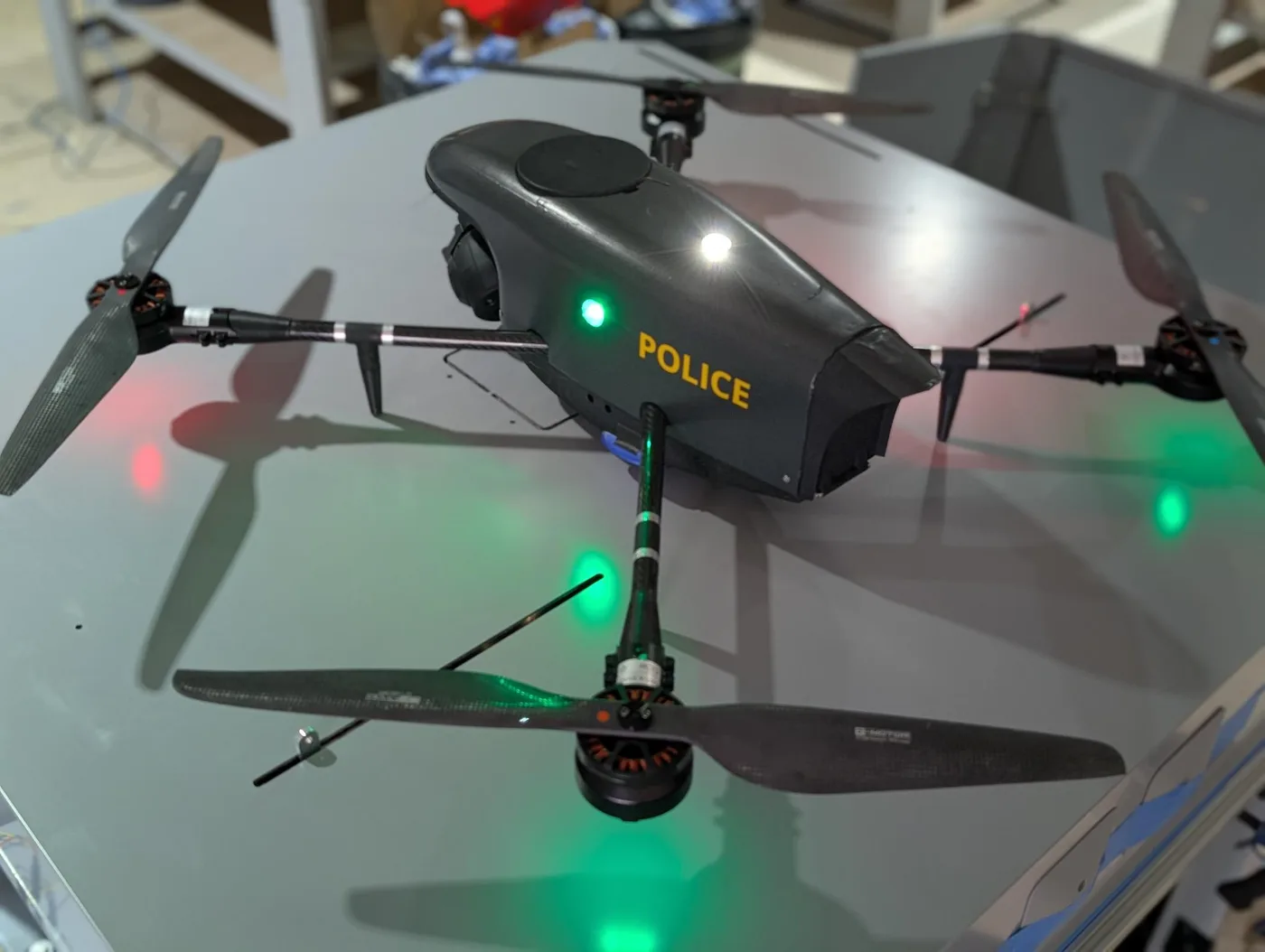
IDI Aquila UAS
UK-built long-endurance UAS for wide-area search across demanding terrain.
Learn moreFrequently asked questions
Yes. IDI aircraft carry thermal imaging payloads that detect body heat in darkness, woodland, and water, which makes them effective when visual search on foot or from a crewed aircraft is not possible. Operations can run around the clock.
From a dock or response vehicle an IDI aircraft can be airborne in under 20 seconds and over a nearby search area within about 90 seconds, often before ground teams have mobilised.
Searching large or remote areas usually means flying Beyond Visual Line of Sight. IDI systems are built for BVLOS and our regulatory team helps you build the CAA safety case and operational authorisation for your area.
Yes. The ADS1000 is off-grid capable and the PDS is fully portable, so you can pre-position or deploy a ready aircraft at a remote base or an incident with no power infrastructure.
Feeds stream into IDI Fly over mobile networks, so the search manager, control room, and ground teams can all view the same live picture from a browser, wherever they are.

Put eyes over the search area in seconds.
Talk to IDI about an autonomous SAR capability built around your terrain, teams, and response model.