"Drone-in-a-box" is the shorthand the industry uses for a drone that lives inside an automated docking station and flies missions without anyone going to the site. The phrase is everywhere, but it hides a lot of detail. This guide explains what these systems actually do, how the docking station works, and where the approach is a good fit.
What "drone-in-a-box" means
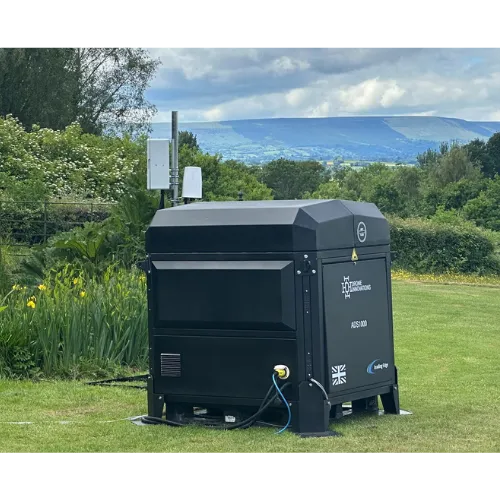
A drone-in-a-box system is a weatherproof enclosure with a drone inside it, installed in a fixed location and connected to power and a network. On demand, or on a schedule, the box opens, the drone flies a mission, and then it returns, lands, and recharges, all without a person on site. An operator somewhere else controls and monitors the flight.
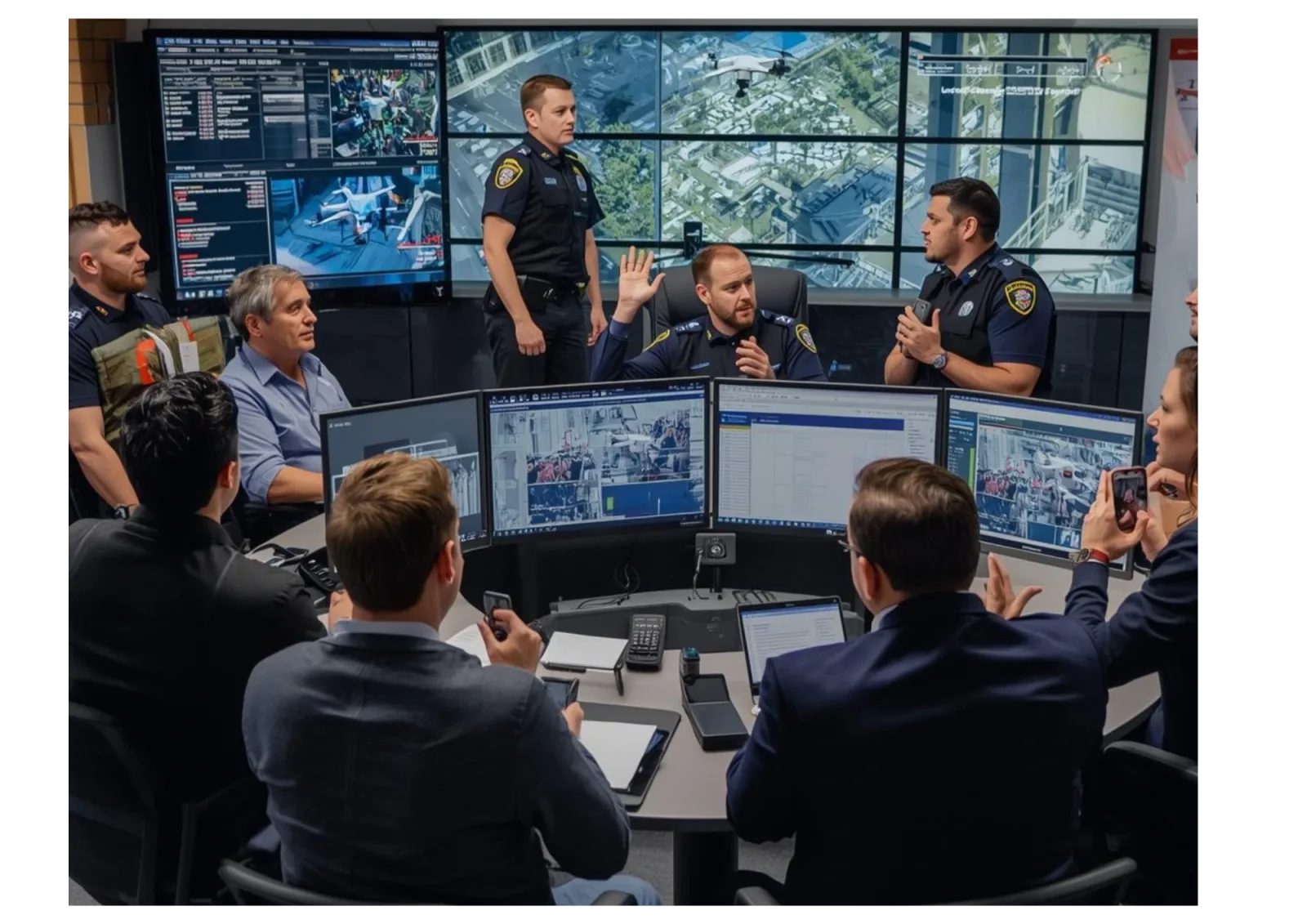
The point is to remove the two things that make drone operations slow and expensive: sending a pilot to the location, and doing everything by hand. Once the drone lives at the site, it can respond in seconds rather than the time it takes to drive a team out.
How the docking station works
The cycle is the same whoever makes the system:
- Launch. The dock opens and the drone takes off, either when an operator triggers it or when an event such as an alarm or a call comes in.
- Fly. The drone flies to the target and streams video and data back to the control room over the network.
- Recover. When the mission ends, the drone returns and lands precisely on the dock, which is harder than it sounds and is where a lot of the engineering goes.
- Recharge and reset. The dock charges the drone and prepares it for the next mission, so the system stays ready.
Reliable, precise landing and recovery is the part that separates a serious system from a demo. A dock that recovers the drone cleanly every time, in wind and rain, is what makes unattended operation trustworthy.
What sits around the dock
The box is only part of the system. Around it you need:
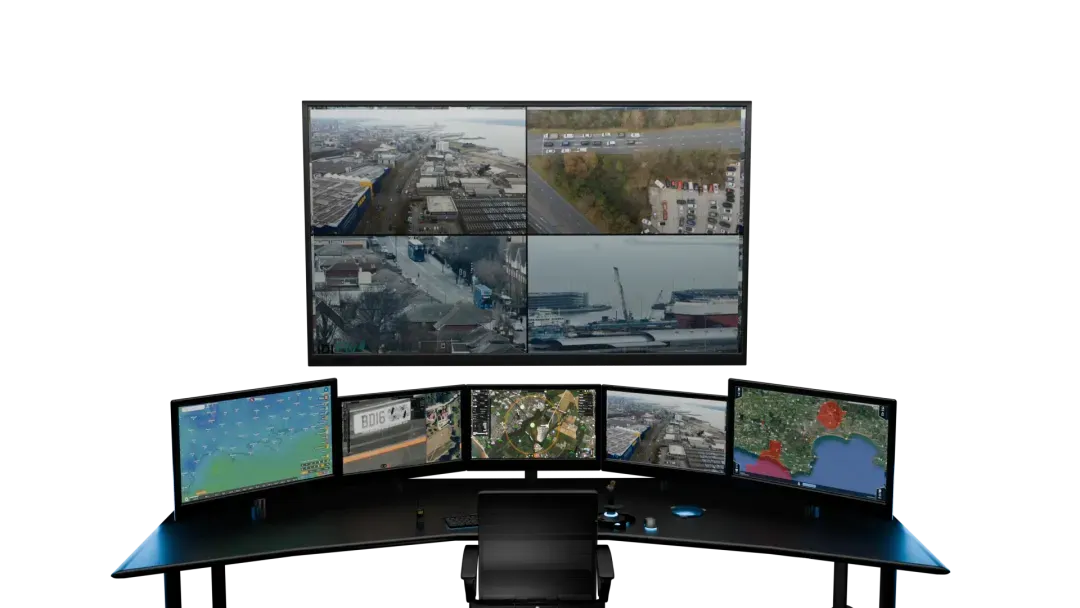
- Software to plan and fly missions, view the live feed, and share it with the people who need it.
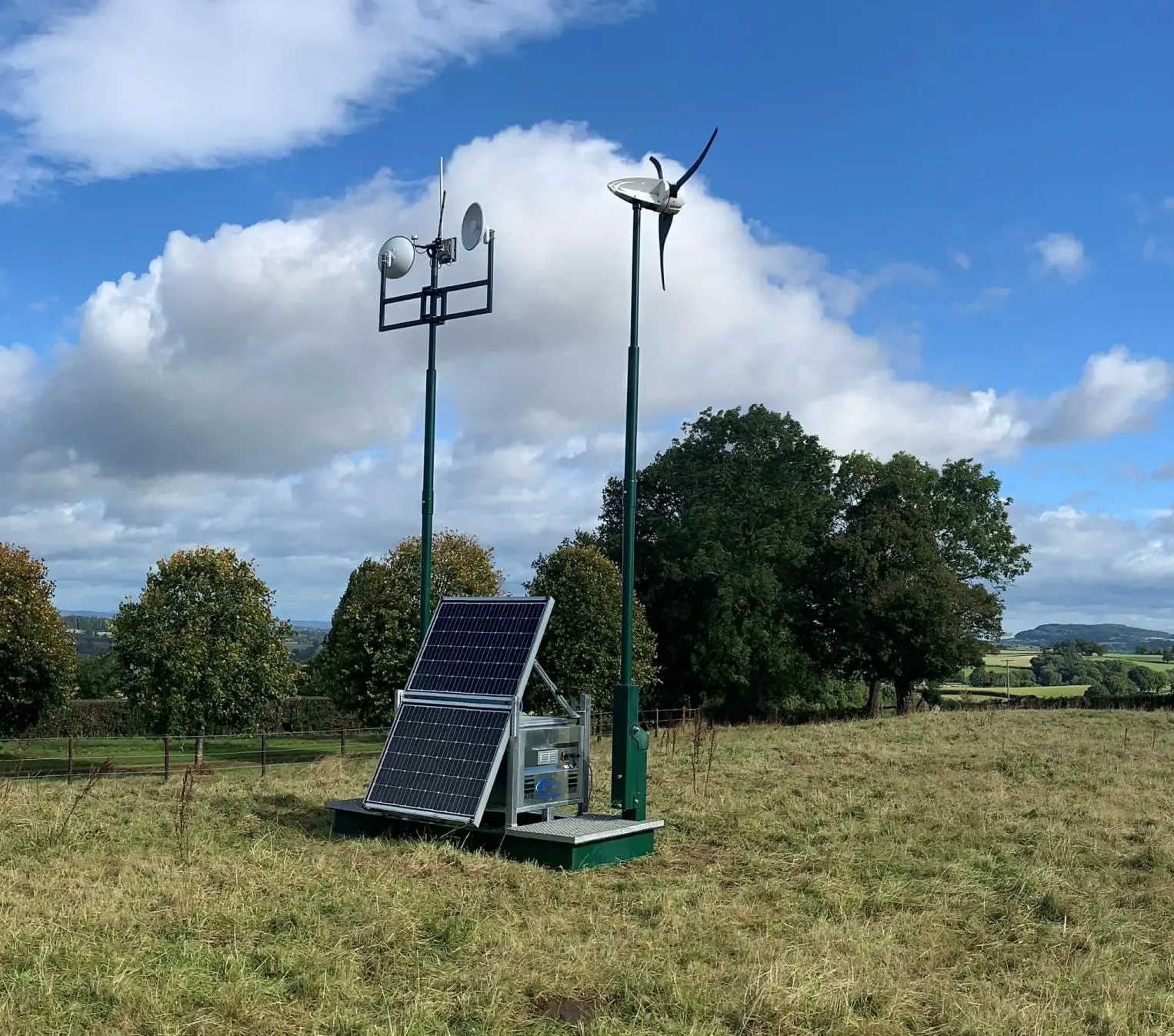
- Connectivity for the command link and the video, usually mobile data or a fixed connection.
- Power, either mains or, for remote sites, an off-grid supply.
- A way to handle the data securely once it comes back.
Where the approach fits
Drone-in-a-box suits any job where you need eyes over a location quickly and repeatedly. The clearest case is Drone as First Responder (DFR), where the drone reaches an incident before officers do. It also fits routine industrial inspection, site security, and monitoring large or hard to reach assets, where sending a crew every time is slow and costly.
It is less suited to one off jobs in random locations, where a portable system or a piloted drone makes more sense. The value comes from the drone living where the work is.
Before you buy
The systems vary more than the marketing suggests, particularly on drone choice, power options, weatherproofing and how cleanly they recover the aircraft. If you are weighing options, our buyer's guide to docking stations covers what to check, and our platform comparison looks at how the main vendors differ. You can also see the IDI range on the IDI Docks page.
FAQs
Does a drone-in-a-box need a pilot?
Not on site. A qualified operator still controls and monitors the flight remotely, and you still need the right authorisation to fly, but nobody has to be at the location.
Can it fly in bad weather?
Within limits. Systems have wind and rain thresholds, and a good dock is built to launch and recover reliably in realistic conditions. Always check the stated operating limits against your site.
How is this different from a normal drone?
A normal drone needs a pilot to bring it, set it up and fly it. A drone-in-a-box lives at the site and runs unattended, controlled from a control room, so it responds far faster.
Do I have to use the manufacturer's drone?
With most systems, yes. IDI Fly is built to work across different aircraft types, which avoids locking you to one manufacturer.