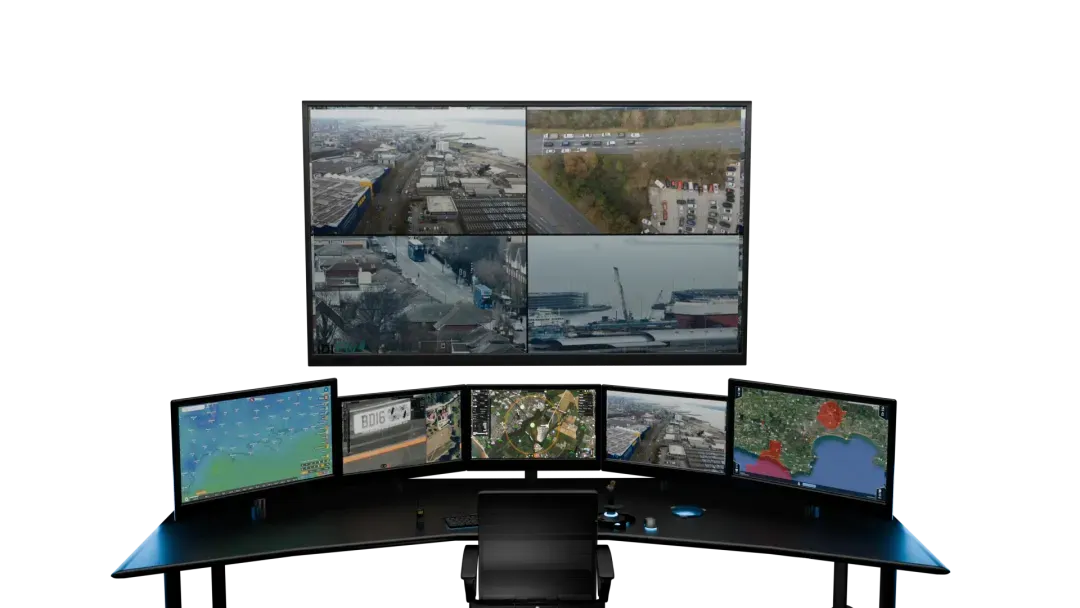

Drone as First Responder (DFR) puts a drone over an incident before officers arrive, giving the control room eyes on the scene in the first minutes. Getting from interest to a working programme takes more than buying hardware. This guide walks through the steps UK forces take, in the order they usually take them, and links out to the detail on each.
Step 1: Define the use case and the outcomes
Start with what you want DFR to achieve, not with the kit. Which calls do you want a drone to support, and what would good look like? A clear set of outcomes, faster scene assessment, fewer unnecessary deployments, better information before officers commit, shapes every decision that follows. Our guide on which calls DFR can cover is a useful starting point.
Step 2: Secure buy-in and governance
DFR touches operations, legal, data protection and public trust. Get the right people involved early and agree who owns the programme. This is also where the business case lives. Our guide on the ROI of DFR sets out how to build a case that holds up.
Step 3: Map the regulatory path
DFR means flying Beyond Visual Line of Sight, which needs a CAA Operational Authorisation and a safety case. This is the single biggest approval hurdle, so start it early. Our guide to BVLOS for DFR in the UK explains the categories, the authorisation route and the mitigations that carry a case.
Step 4: Choose the technology
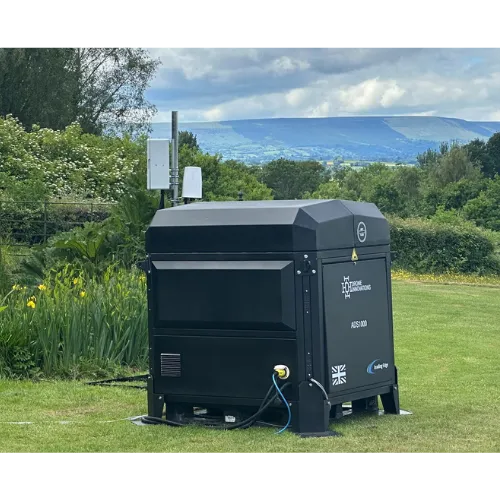
Now the kit. You are choosing docking stations, drones and the software that ties them together. The concept from step 1 should drive this, not the other way round. See our docking station buyer's guide for the features that matter and our platform comparison for how the main vendors differ.
Step 5: Ready your sites
Each dock location needs power, network coverage and a clear launch and recovery area. Survey sites early, because power and connectivity gaps take time to fix and often dictate which dock suits which location.
Step 6: Train and certify operators
Remote operations need qualified people. Plan for pilot competency, including the BVLOS training that goes beyond a standard certificate, and for how the control room will be staffed when DFR is live.
Step 7: Get the data and compliance right
DFR generates video and evidence, which brings data protection, retention and public trust into scope. Decide early where data lives, who can access it and how it is handled as evidence. Our guide on DFR data and compliance covers the UK picture.
Step 8: Start small, then scale
Begin with a tightly scoped area and a clear set of calls, prove it works, then expand. A bounded first phase is easier to approve, easier to learn from, and easier to defend than an ambitious launch. Each expansion is a revision to your safety case and your operating model, not a fresh start.
Common pitfalls
- Buying hardware before the operating concept is clear.
- Leaving the BVLOS safety case until late.
- Underestimating site power and connectivity work.
- Treating DFR as a technology project rather than an operational and data one.
For an overview of the IDI approach to DFR, see the DFR solution page.
FAQs
How long does it take to start a DFR programme?
Plan in months, not weeks. The regulatory work and site readiness usually set the timeline, so starting both early is the best way to avoid delay.
What is the first thing to do?
Define the outcomes you want and begin the BVLOS conversation. Those two shape everything else and take the longest to get right.
Do we need to buy everything at once?
No. Start with a small, bounded deployment, prove the model, then scale. It is cheaper, faster to approve and easier to learn from.
Who needs to be involved?
Operations, legal, data protection, IT and the people who will run the control room. DFR is a cross functional programme, not just a kit purchase.