One of the first questions forces ask about Drone as First Responder is a practical one: which calls would we actually send a drone to? The honest answer is that DFR is well suited to some incident types and adds little to others. This guide sets out where it earns its place.
How DFR fits the response model
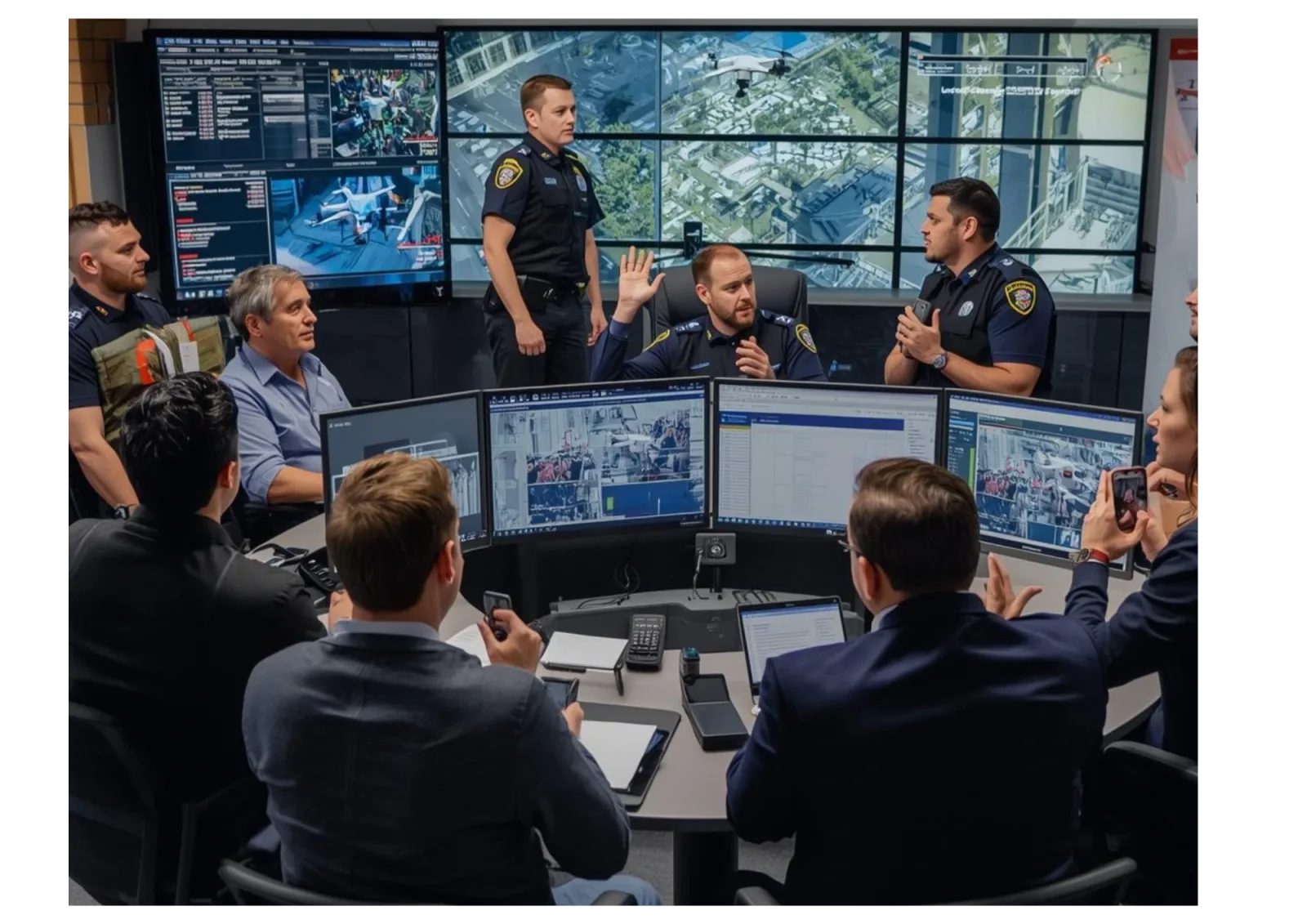
DFR does not replace officers. It gets eyes over an incident in the first minutes, so the control room and responders know more before they commit. The value is information early, which can mean a faster response, a safer one, or a decision not to deploy a full team at all.
Where DFR adds the most value
- In-progress incidents. A drone overhead can confirm what is happening and track movement while officers are still en route.
- Missing persons. Drones cover open ground quickly, and thermal cameras help in poor light, which matters when time is critical.
- Road traffic collisions. An early aerial view helps assess scale, hazards and the response needed before crews arrive.
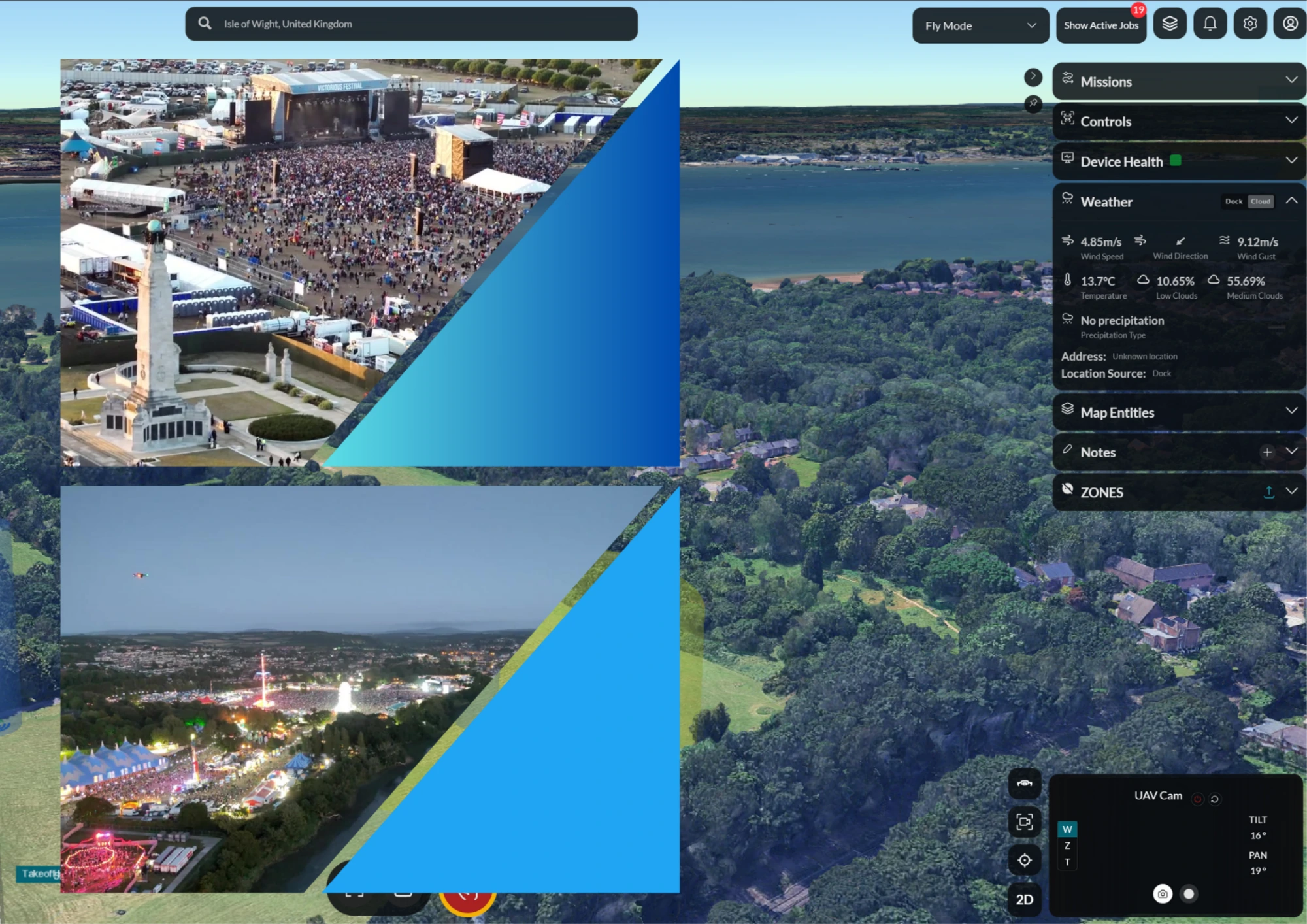
- Public order and large gatherings. An overhead picture supports safer decisions about crowds and movement.
- Alarm activations. A drone can verify whether an activation is genuine, reducing wasted deployments to false alarms.
- Concern for welfare. A quick look can establish whether a full response is needed.
- Search and fire support. Aerial coverage and thermal imaging assist other services on scene.
Where DFR is less suited
DFR adds little where the value is not in an early aerial view: incidents indoors, calls that need physical intervention from the outset, or situations where a drone overhead would not change the decision. It is a tool for awareness and triage, not a response in itself, and a good programme is clear about that.
How forces decide which calls to send a drone to
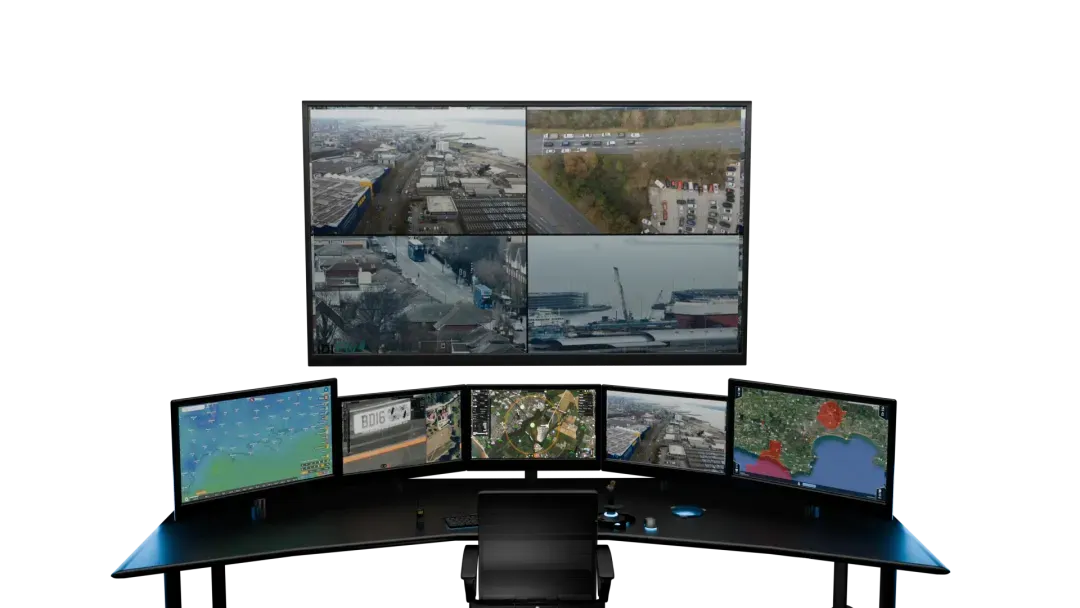
In practice, forces build rules into the control room: certain call types automatically prompt a DFR launch, others are at the operator's discretion, and some are out of scope. Those rules are shaped by the outcomes you set for the programme and refined as you learn what works. The aim is to launch where the drone genuinely helps and avoid noise everywhere else.
Deciding which calls to cover is part of scoping a programme. For the bigger picture, see our guide on how to start a DFR programme in the UK and the DFR solution page.
FAQs
Does DFR replace officers on scene?
No. It provides early information so officers arrive better informed, or so a force can decide a full response is not needed. The drone supports the response, it is not the response.
Can DFR help find missing people?
Yes, this is one of its strongest uses. Drones cover ground quickly and thermal cameras help in low light, which matters when time is short.
Which calls should trigger an automatic launch?
That is for each force to define, usually as control room rules tied to specific call types. It is refined over time as the programme matures.
Is DFR useful for false alarms?
Yes. Verifying an alarm activation from the air can prevent an unnecessary deployment, which is one of the clearer efficiency gains.